

best sellers


Sale!
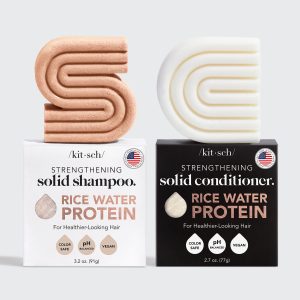
Original price was: $28.00.$14.00Current price is: $14.00.
Sale!
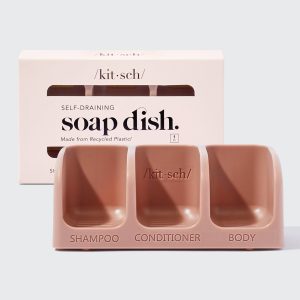
Original price was: $14.00.$7.00Current price is: $7.00.
Sale!
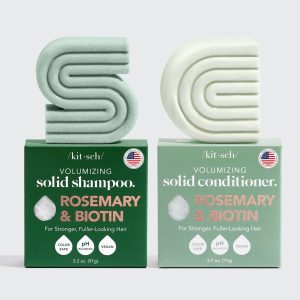
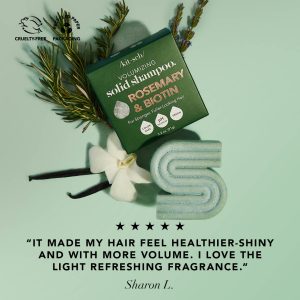
Original price was: $28.00.$14.00Current price is: $14.00.
Sale!
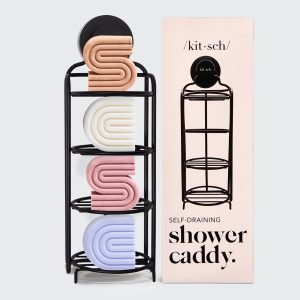
Original price was: $75.00.$20.00Current price is: $20.00.
top collections


what’s new
Sale!
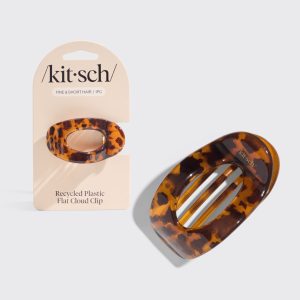
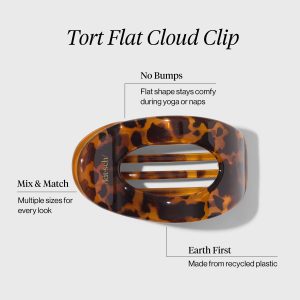
Original price was: $8.00.$4.00Current price is: $4.00.
Sale!
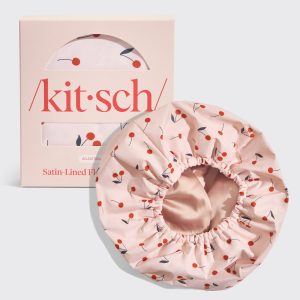

Original price was: $24.00.$12.00Current price is: $12.00.
Sale!
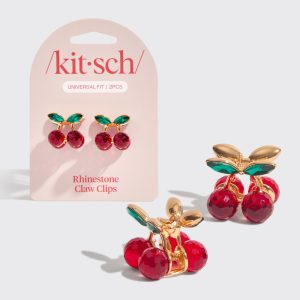

Original price was: $12.00.$6.00Current price is: $6.00.
Sale!
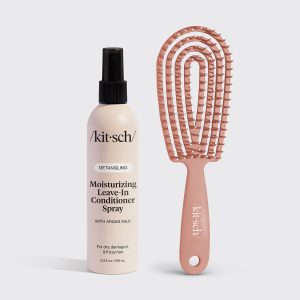
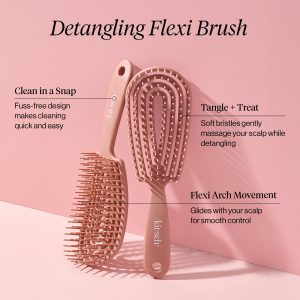
Original price was: $30.00.$10.50Current price is: $10.50.
WE’VE ALWAYS BEEN OBSESSED WITH OUR CUSTOMERS & WE THINK
The Feeling Is Mutual


Our Story
Founded by Wisconsin native Cassandra Thurswell at the age of 25, Kitsch is a global beauty powerhouse built on positivity and pure hard work. The brand supports its growing community with easy, elevated beauty solutions that are totally reliable, truly special, and made as sustainably as possible. Beginning in 2010 with a business plan no longer than a paragraph, Kitsch now supplies a full range of beauty favorites in over 20,000 retail locations worldwide. A prominent entrepreneur featured in Forbes and Inc., Cassandra continues to create elevated, sustainable beauty solutions for every moment of the day.
Damage Repair and Intensive Care
Title: The Art of Restoration: Reviving Damaged Hair with Intensive Treatments
Our hair goes through a lot. From the scorching heat of flat irons to chemical coloring, bleaching, and the mechanical stress of brushing, damage is an unfortunate reality for many. When hair is damaged, the outer cuticle lifts or breaks away, exposing the vulnerable inner cortex. This leads to breakage, split ends, and a dull appearance. While you cannot biologically “heal” hair since it is not living tissue, you can significantly improve its structural integrity, appearance, and feel through the strategic use of intensive repair products.
Deep Conditioning Masks The first line of defense against damage is a high-quality hair mask. Unlike daily conditioners, which work on the surface, hair masks are formulated with smaller molecules designed to penetrate deeper into the hair shaft. They contain higher concentrations of conditioning agents, lipids, and proteins. For chemically processed hair, a mask should be used at least once a week. The application is just as important as the product; allowing the mask to sit for 20 to 30 minutes, perhaps with the addition of gentle heat (like a warm towel), opens the cuticle and maximizes absorption. This restores the moisture-protein balance that damaged hair desperately lacks.
Bond Building Technology In recent years, a new category of products has revolutionized hair repair: bond builders. These are not just conditioners; they are chemical treatments that work on a molecular level. Inside the hair shaft, disulfide bonds give hair its structure and strength. Chemical treatments break these bonds. Bond-building products contain active ingredients that locate these broken links and cross-link them back together. Integrating a bond-building treatment into your routine can dramatically reduce breakage and restore the elasticity that bleached or heat-damaged hair often loses.
The Role of Oils and Serums While masks and bond builders work internally, oils and serums work externally to mimic the healthy cuticle layer that has been lost. A good hair oil serves multiple purposes. Applied to damp hair, it can protect against heat. Applied to dry hair, it seals the cuticle, hides split ends, and adds a reflective shine that damaged hair lacks. For severe damage, “oiling” treatments—where oil is applied generously to the hair and left for hours or overnight before washing—can provide intense nourishment. Ingredients like castor oil and argan oil are favorites for this type of intensive therapy.
Mechanical Protection and Tools Repairing damage also means preventing further harm. The tools you use are essentially hair care products too. Microfiber towels or cotton t-shirts are far gentler for drying hair than rough terry cloth, which causes friction and frizz. Satin or silk pillowcases prevent the hair from snagging while you sleep. Furthermore, using a “wet brush” or a wide-tooth comb designed specifically for detangling wet hair can prevent the snapping that occurs when dragging a brush through fragile, tangled strands.
Patience and Trimming It is important to acknowledge that products can only do so much. If the ends of the hair are split, they cannot be fused back together permanently. The split will eventually travel up the hair shaft, causing more damage. Therefore, the most effective “product” for split ends is a pair of shears. Regular trims, combined with a robust regimen of masks, oils, and protective treatments, create the optimal environment for hair to grow longer and stronger. Repair is a journey, not a sprint, but with the right arsenal of restorative products, even the most stressed tresses can be brought back to life.